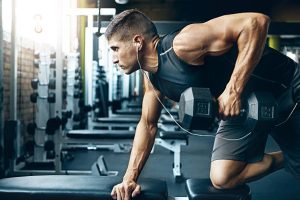
Two movements. One purpose: building a body that’s strong, capable, and durable for life. The squat and the deadlift are more than gym staples they’re movement blueprints your body was born to perform. Long before barbells existed, humans squatted to rest and hinged to lift. At Allegiance Physical Therapy, we see these not as exercises, but as functional patterns of living.
Different Movements, Shared Mission
Both are compound lifts they recruit multiple joints, muscle groups, and neural systems in one integrated effort. But their mechanical emphasis sets them apart:
Squat → Knee-dominant | Quads, glutes, hamstrings | Weight on shoulders | Upright torso
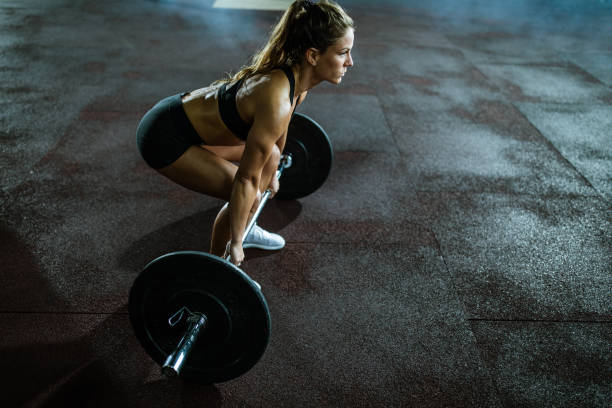
Deadlift → Hip-dominant | Glutes, hamstrings, lower back | Weight lifted from floor | Forward-leaning torso
Each represents a pillar of human movement: the squat teaches control, the deadlift teaches power.
The Squat: Building Strength from the Ground Up
Think of the squat as your sit-to-stand pattern under resistance. It’s the same motion you use to get off the couch, rise from a chair, or step out of your car only more intentional.
Why It Matters:
- Builds knee and hip strength for balance and daily function
- Enhances mobility and control key for fall prevention
- Reinforces independence as we age
A 2025 study in Age and Ageing found that maintaining squat mobility directly correlates with reduced fall risk in older adults.
APT Insight: The ability to stand up unassisted isn’t just a strength measure it’s a marker of longevity.
The Deadlift: The Art of Lifting Well
The deadlift is your body’s built-in hinge pattern bending forward at the hips, maintaining spine alignment, and generating power from the glutes and hamstrings. It’s how you pick up groceries, a suitcase, or your child. Done right, it’s the most functional and protective movement you can train.
Why It Matters:
- Builds posterior chain strength glutes, hamstrings, back
- Reinforces proper lifting mechanics
- Reduces low back pain and injury risk
A 2023 study in the Spine Journal found that conventional deadlift training significantly reduced back pain scores after just 8 weeks.
APT Truth: The key to protecting your back isn’t avoiding bending it’s learning how to hinge safely.
How the Body Responds
- Squats: Larger range of motion at knees and hips; build vertical force and explosive power.
- Deadlifts: Shorter range but higher demand on the posterior chain and grip.
A 2024 EMG study in PeerJ confirmed that squats activate more quadriceps, while deadlifts engage more hamstrings and spinal stabilizers.
Different muscles, same purpose complete system strength.
Technique Determines Safety
Research in Sports Biomechanics (2025) notes that squats create higher knee compressive forces, while deadlifts increase lumbar shear demands. Both remain safe with proper coaching and alignment.
That’s why every client at Allegiance learns joint positioning, breath control, and load sequencing before adding weight. The goal isn’t lifting heavy it’s moving well.
Which One Should You Do?
The answer: both. They complement each other like two halves of the same circuit.
Choose squats if you want:
- Stronger quads and knees
- Explosive running and jumping power• Greater independence in daily movement
Choose deadlifts if you want:
- A stronger backside and core
- Improved posture and spinal resilience
- Confidence lifting objects safely
APT Principle: Squats keep you grounded. Deadlifts keep you capable.
Application in Physical Therapy
At Allegiance Physical Therapy, we integrate both patterns into rehab and performance plans not as gym lifts, but as movement education. Rebuilding strength post-injury? Squats restore controlled load tolerance. Managing low back pain? Deadlifts retrain safe spinal mechanics. Enhancing sport performance? The combination drives both power and stability.
Our approach bridges the clinic and the real world helping patients move, lift, and live with freedom.
Final Takeaway
Squats and deadlifts aren’t rivals they’re teammates in the pursuit of function and resilience. Each teaches your body something the other cannot. Together, they forge the foundation for strength that lasts not just for the gym, but for life.
Allegiance Physical Therapy Pledged to Your Peak Performance. Because movement isn’t optional it’s the blueprint for living well.