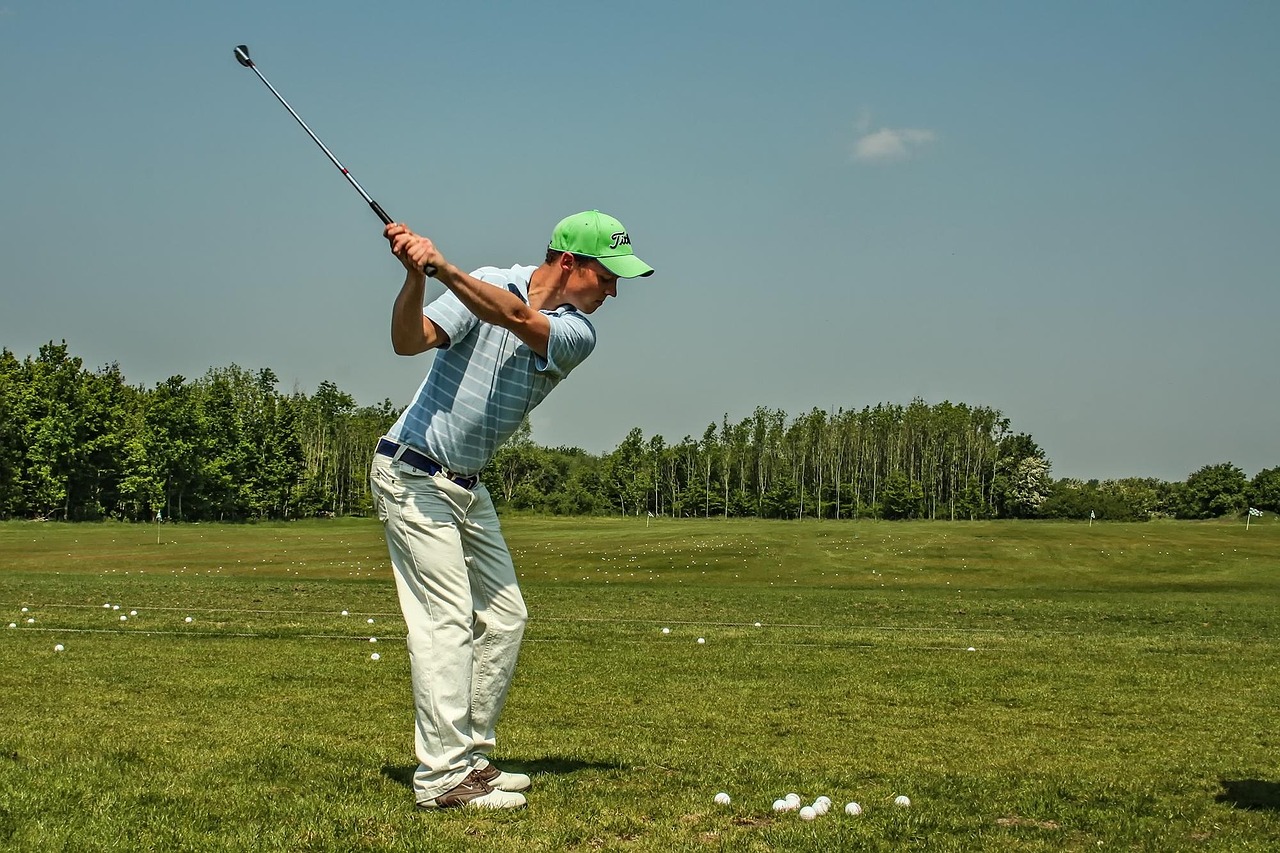
 Ever wonder why your golf swing feels like a mystery? Let’s decode it together!
If you’ve ever stepped onto the tee box and thought, “Why does my swing look so different from my buddy’s?” you’re not alone. Every golfer’s body is unique, and the way your hips, shoulders and spine move can profoundly influence your swing. That’s where our APT Movement Screen (Allegiance Movement Screen) comes in.
This movement screen is a functional assessment created specifically for golfers. By evaluating swing mechanics, physical fitness, movement quality and your health history, this 16‑point test identifies mobility restrictions, strength imbalances and stability deficits that could be sabotaging your game. After the assessment, our trained therapists work with you to correct muscle imbalances and integrate strength and mobility work into your training.
At Allegiance, we also blend manual therapy, therapeutic exercise and flexibility training to relieve pain and restore movement.
### What Happens During Your Assessment?
– Comprehensive Screening: We examine everything from posture and hip rotation to shoulder mobility and core control. Expect some funky moves – we promise they help!
– Personalized Feedback: You’ll learn exactly how your body’s mechanics affect your swing, and you’ll leave with a plan tailored to your needs.
– Evidence‑Based Plan: Our therapists use research‑backed methods to design corrective exercises and mobility drills that translate directly to better performance.
### Why It Matters
Identifying your limitations early prevents overuse injuries and ensures you’re building your swing on a solid foundation. Many golfers try to fix their swing by changing technique alone, but without addressing underlying physical deficits, they’re just applying a Band‑Aid. An APT‑inspired assessment provides the diagnostic insight you need for sustainable improvement.
If you want to improve your swing, contact us for a free phone consult to see if our APT Movement Screen and individualized program could help you play your best.